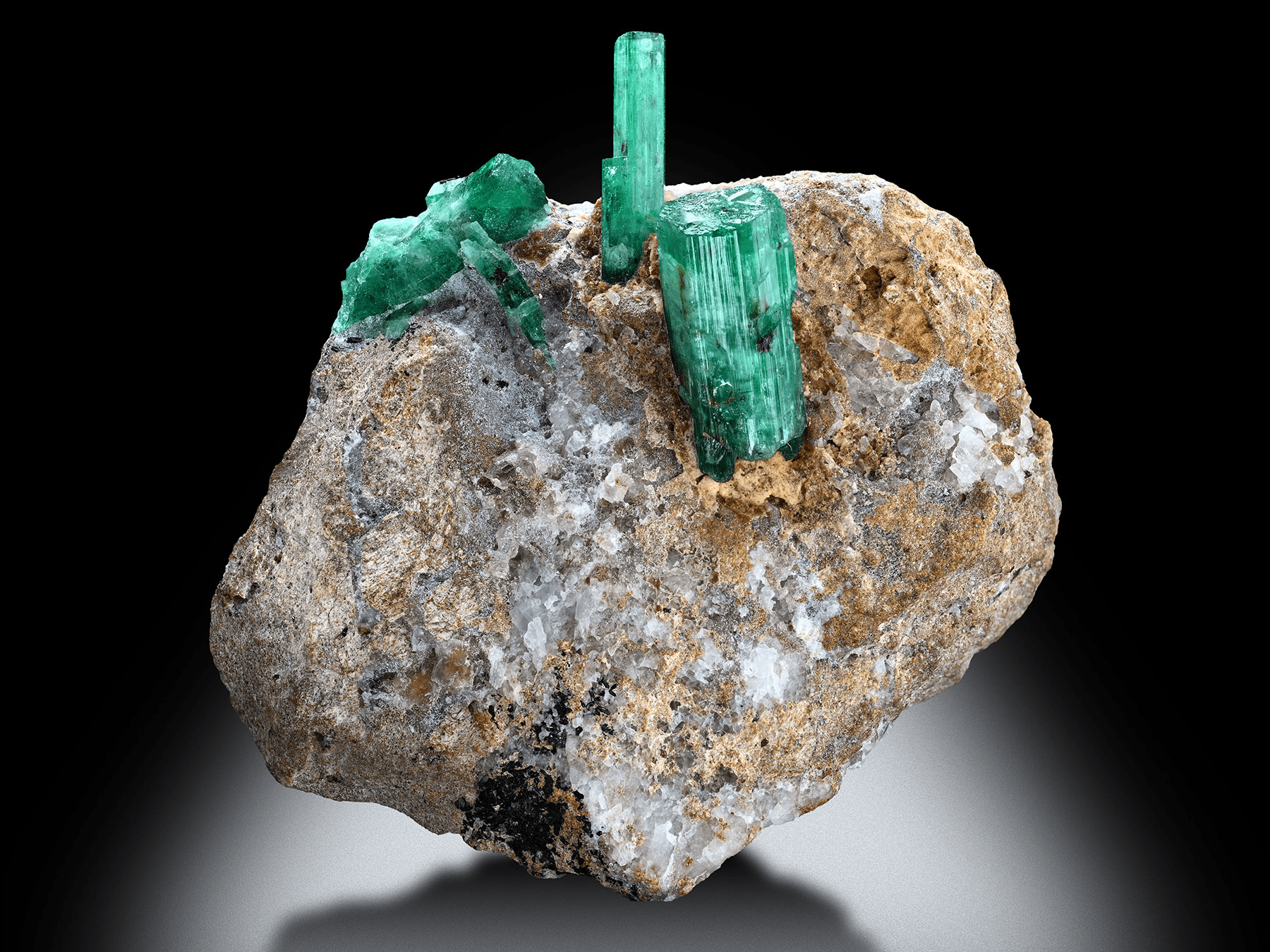
When people hear the word “jade,” they often assume it refers to a single gemstone. In reality, “jade” is a broad term used for two different minerals: nephrite and jadeite. While they may look similar at first glance, they differ significantly in composition, structure, value, and usage.
Understanding these differences is essential for collectors, jewelry buyers, and gemstone enthusiasts.
What is Jade?
Jade is not a single mineral but a name applied to two distinct stones: nephrite and jadeite. These were scientifically identified as separate minerals in the 19th century due to their different chemical compositions and crystal structures. Despite this, both are still commonly referred to as “jade” in the market.
Chemical Composition
The most important difference between nephrite and jadeite lies in their chemistry.
Nephrite belongs to the amphibole mineral group and is rich in calcium, magnesium, and iron. On the other hand, jadeite belongs to the pyroxene group and contains sodium and aluminum.
This difference in composition directly influences their physical properties and overall appearance.
Crystal Structure and Strength
Nephrite has a fibrous, tightly interwoven crystal structure. This unique structure makes it extremely tough and resistant to breaking. In fact, nephrite is considered one of the toughest natural stones.
Jadeite, by contrast, has a more granular crystal structure. While it is slightly harder than nephrite, it is not as tough when it comes to resisting impact.
Hardness and Durability
Both stones are durable, but in different ways.
Nephrite has a slightly lower hardness on the Mohs scale, typically ranging between 6 and 6.5. However, its fibrous structure gives it exceptional toughness, making it ideal for carvings and objects that require resistance to chipping.
Jadeite is slightly harder, usually between 6.5 and 7, but it is less resistant to breaking compared to nephrite.
Color and Appearance
One of the most noticeable differences is in their appearance.
Jadeite is known for its wide range of colors, including vivid green, lavender, red, yellow, and even black. It often has a brighter and more translucent look, especially in high-quality pieces like the famous “Imperial Green” jade.
Nephrite, in contrast, usually appears in more subdued tones such as creamy white, light green, or dark green. It tends to be more opaque and has a soft, waxy luster that gives it a smooth and earthy appearance.
Rarity and Value
Jadeite is significantly rarer than nephrite, which makes it more valuable in the gemstone market. High quality jadeite is considered one of the most expensive gemstones in the world and is often used in fine jewelry.
Nephrite is more abundant and therefore more affordable. However, it is still highly valued, especially for artistic carvings and cultural artifacts.
Uses and Applications
Due to its toughness, nephrite has been widely used throughout history for tools, carvings, and sculptures. It remains a popular choice for decorative objects and traditional designs.
Jadeite, with its vibrant colors and translucency, is more commonly used in high end jewelry and luxury gemstone pieces.
Origins and Sources
Jadeite is primarily sourced from Myanmar (Burma), which is known for producing the highest quality material.
Nephrite, on the other hand, is found in several regions around the world, including China, Russia, New Zealand, and Canada.
Key Differences in Simple Terms
To put it simply, nephrite is tougher and more durable, making it ideal for carvings and everyday objects. Jadeite is rarer, more colorful, and more valuable, making it the preferred choice for fine jewelry and investment pieces.
Which One Should You Choose?
The choice between nephrite and jadeite depends on your purpose.
If you are looking for an affordable, durable stone with a natural and classic look, nephrite is an excellent option. If you want a high value gemstone with vibrant colors and strong investment potential, jadeite is the better choice.
Final Thoughts
Although both nephrite and jadeite are called jade, they are fundamentally different minerals with unique characteristics. Knowing these differences helps you make informed decisions whether you are buying, collecting, or selling gemstones.
Both stones have their own beauty and significance nephrite with its strength and tradition, and jadeite with its rarity and brilliance.